For Information about Classroom Classes/Live Classes!! Call/WhatsApp @ 851285 6665 For Information about Classroom Classes/Live Classes!! Call/WhatsApp @ 851285 6665

How to crack DILR in CAT

BY Ankit Gaur

How to Crack DILR Section in CAT

The DILR section of the CAT exam is known for its unpredictability and difficulty. It doesn’t test you on formulas or definitions but on your ability to think logically, organize information, and work efficiently under pressure. Many aspirants find this section tough to master, but with the right strategy and mindset, it can be turned into a strength.

Below are five key pillars that will help you crack the DILR section effectively.

(1) Fall in Love with Solving LR Puzzles 

The first and most important step is to develop a genuine interest in solving Logical Reasoning puzzles. If you treat them like a chore, you won’t be able to build the patience and skill needed to crack complex sets in the exam. Here's how you can develop this interest:

Why LR Puzzles Matter:

  • The CAT DILR section is primarily set-based and puzzles form a major part of it.
  • They test your ability to connect information, visualize data, and make logical deductions.

How to Build Interest:

  • Use logic puzzle websites or books (like Puzzles to Puzzle You by Shakuntala Devi or Puzzles and Teasers by George J Summer)
  • Track your improvement. The joy of cracking a tough puzzle after several attempts can be very motivating.

Key Tip: Don’t rush through puzzles. Spend time thinking, drawing tables, and experimenting with different possibilities. It trains your brain to handle CAT-level puzzles.

(2) Focus on Previous Year Actual CAT DILR Questions 

CAT has a distinct pattern and flavor in DILR that isn't easy to replicate through random books or coaching materials. So, solving past year CAT DILR sets is absolutely essential.

Why Previous CAT DILR Sets Are Gold:

  • They reflect the actual difficulty level, logic structure, and question types.
  • They help you understand the types of logic that CAT likes to test—arrangements, selections, Venn diagrams, games & tournaments, DI with twists, etc.
  • You will learn how information is typically presented and what traps to avoid.

How to Use Previous Year Papers Effectively:

  • Start with CAT 2017 onwards from CAT 2017 to CAT 2024
  • Also Solve CAT 2004 to CAT 2008 papers completely
  • Solve each set without time limit, you can give even 20-25 minutes to difficult sets.
  • After solving, analyze your approach: and also maintain an error log of the mistakes you made—misinterpretation, calculation error, time mismanagement, etc.

Resources:

  • AnkGanit’s Actual CAT LRDI booklets (CAT 2004 to CAT 2008), old CAT, and CAT 2017 to CAT 2019) and CAT 2020 onwards booklet.
  • AnkGanit’s Actual CAT LRDI tests on their portal.

(3) Practice Consistently – Target 2 Actual LR Sets per Day 

Consistency is the secret sauce in DILR preparation. Solving 2 sets daily might sound simple, but if done regularly, it leads to tremendous improvement in speed, confidence, and accuracy.

Why 2 Sets a Day Works:

  • It's manageable and doesn’t cause burnout.
  • You get to build familiarity with different types of reasoning puzzles gradually.
  • Over 6 months, that’s around 300 sets—a huge number that builds strong mental muscle.

Mix It Up:

  • Alternate between DI, LR or LRDI sets.
  • Try out different difficulty levels: moderate, and tough.

Remember: While doing practice, You don't have to solve every set perfectly. Focus on building logical thinking and reducing silly mistakes over time.

(4) Take Actual DILR Sets in Test Format (Mocks/Sectionals) 

Even if you become good at solving puzzles, CAT is still a timed test. Solving 4 tough DILR sets in 40 minutes with pressure is very different from solving them leisurely. That’s why you need to build your test temperament.

Why Simulated Practice is Important:

  • It builds speed and decision-making ability.
  • Teaches you when to leave a set and move to the next.
  • Helps you develop a strategy: set selection, time allocation, and maintaining calm during pressure.

How to Practice in Test Mode:

  • Take sectional tests (40-minute DILR tests) every week.
  • Take full-length mock tests regularly (1 every 10-15 days at least).
  • After each test, spend more time analyzing than you did solving.
    • Which sets were easy but you skipped?
    • Which set did you spend too much time on without progress?
    • How can you improve your set selection strategy?

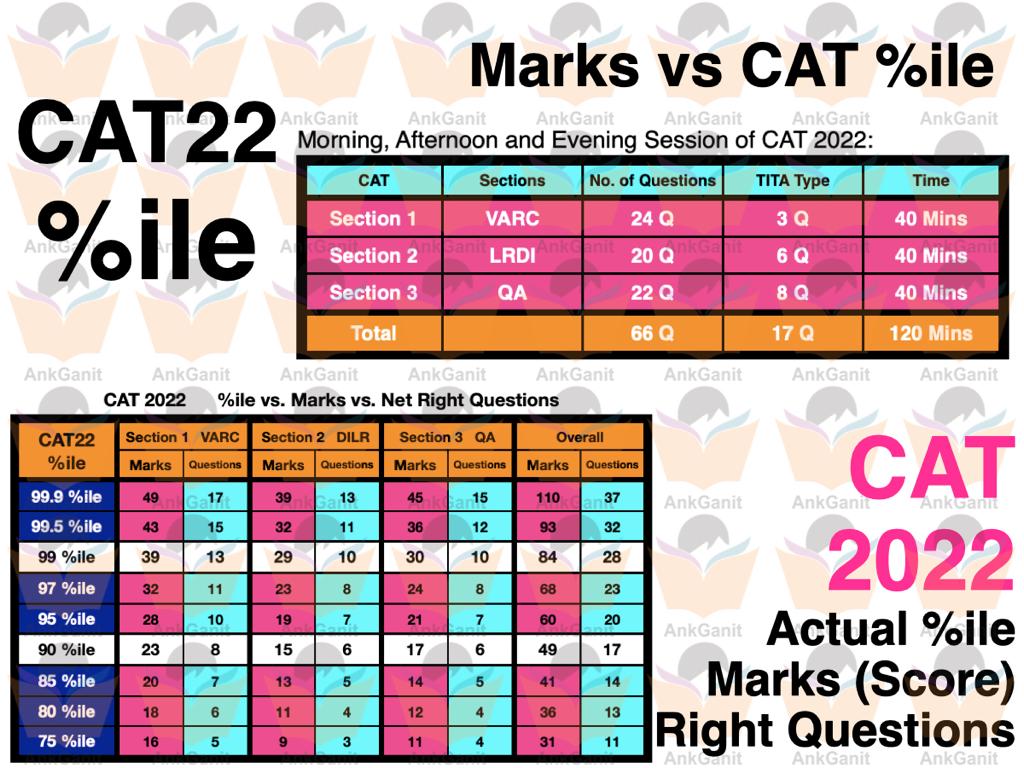
Set Selection is Key: In CAT, choosing the right 2-3 sets to attempt can get you a 99+ percentile. It’s not about solving all 4 sets.

(5) Final Thoughts and Bonus Tips 

Cracking DILR is about smart preparation, not just hard work. You need to treat it like a game of logic where pattern recognition and data organization are key.

Some Extra Tips:

  • Always draw tables, grids, or visual diagrams. Never solve in your head.
  • Start writing information in summarised manner.
  • In DI sets, be careful with numbers—accuracy matters more than speed.
  • Learn when to leave a set.
  • Focus on clarity of thought. Don’t jump to assumptions—verify your logic.
  • Stay calm during mocks and exam day. DILR can look tough, but if you find the right set, it gets manageable.

Stay consistent, stay logical, and trust the process.
With daily efforts and a smart approach, you can turn DILR into a scoring section.

Thank You!!